How to Prepare for a Career in Massage Therapy
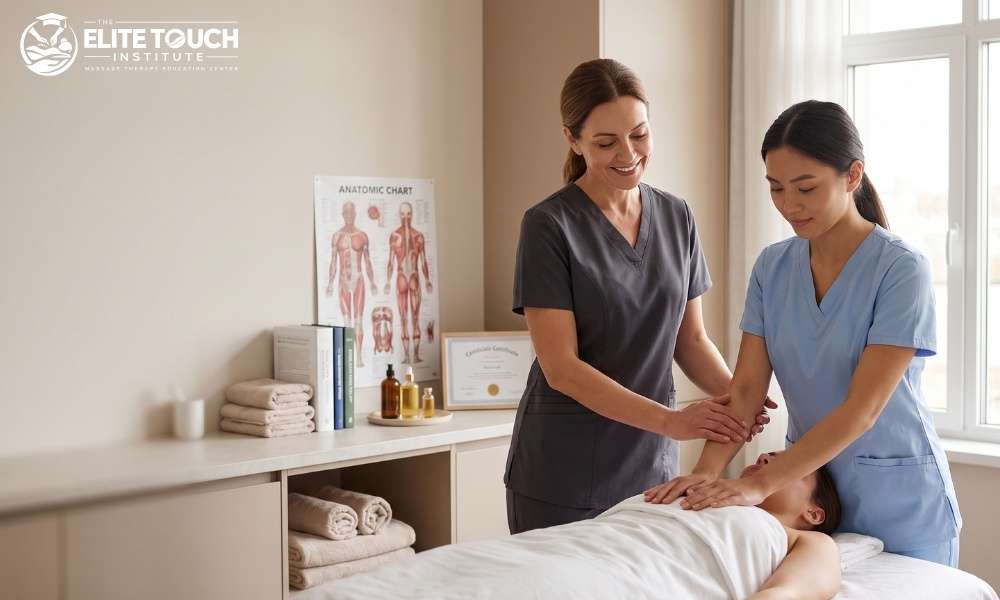
A career in massage therapy can be both rewarding and meaningful. Massage therapists help clients relax, manage everyday muscle tension, improve mobility, and support overall wellness. If you enjoy working with people and have an interest in health, wellness, and hands-on care, massage therapy may be an excellent career path for you.
But becoming a successful massage therapist requires more than learning a few massage techniques. Proper education, practical training, communication skills, professionalism, and a commitment to continued learning are all important.
1. Understand the Role of a Massage Therapist
Before beginning your training, take time to understand what massage therapists actually do. Depending on their training and workplace, massage therapists may provide different types of therapeutic and wellness-focused massage.
Typical responsibilities can include:
- Assessing a client’s needs and discussing their goals
- Preparing a safe and comfortable treatment environment
- Applying appropriate massage techniques
- Maintaining professional hygiene and client safety
- Communicating clearly with clients
- Keeping appropriate treatment records
- Following professional and ethical standards
Understanding these responsibilities will help you decide whether this career is right for you.
2. Choose the Right Massage Therapy Training Program
A quality education is one of the most important steps toward becoming a professional massage therapist. Look for a program that combines classroom learning with hands-on practical training.
Important areas of study may include:
- Anatomy and physiology
- Massage techniques
- Body mechanics
- Client assessment
- Health and hygiene
- Professional ethics
- Communication skills
- Contraindications and client safety
- Business and professional practice
Choose an institution with experienced instructors, practical facilities, and a structured curriculum designed to build real-world skills.
3. Develop Strong Practical Skills
Massage therapy is a hands-on profession, so practical experience is essential. During your training, practice proper positioning, pressure control, movement, draping, and communication.
Focus on developing:
Good technique: Learn how to perform massage movements correctly and safely.
Body mechanics: Protect your own body by learning proper posture, positioning, and movement.
Pressure control: Every client has different comfort levels and needs. Learn to adjust pressure appropriately.
Attention to detail: Notice client feedback and respond accordingly.
The more supervised practice you complete, the more confident and comfortable you can become.
4. Learn Anatomy and Physiology
A strong understanding of the human body is essential for responsible massage therapy practice. Learning about muscles, bones, joints, tissues, and body systems helps you understand how massage techniques interact with the body.
You don’t need to become a medical professional, but you should understand the fundamentals necessary to work safely within your professional scope.
5. Build Excellent Communication Skills
Successful massage therapists are not only technically skilled—they are also good communicators.
Before a session, learn to ask appropriate questions about the client’s goals, comfort, and relevant health information. During the session, communicate clearly and encourage clients to provide feedback.
Professional communication helps create trust and makes clients feel respected and comfortable.
6. Understand Professional Boundaries and Ethics
Professionalism is a key part of a successful massage therapy career. Therapists should maintain appropriate boundaries, respect client privacy, obtain appropriate consent, and create a professional treatment environment.
Learning ethical practices during your training will help you build a trustworthy reputation and maintain positive relationships with clients and employers.
7. Gain Hands-On Experience
After learning the fundamentals, look for opportunities to gain supervised practical experience. Student clinics, internships, wellness centers, spas, and other professional environments can help you understand how massage therapy works in real-world situations.
Practical experience can also help you improve your confidence, client communication, time management, and treatment skills.
8. Understand Local Professional Requirements
Requirements for practicing massage therapy vary depending on your location. Before starting your career, research the applicable education, certification, registration, licensing, or other professional requirements in the area where you intend to work.
Completing the appropriate requirements helps ensure that you begin your career responsibly and professionally.
9. Continue Learning
Massage therapy is a field where ongoing education can make a significant difference. After completing your initial training, consider continuing to develop your knowledge and skills through additional courses and professional development.
You may choose to explore areas such as relaxation massage, sports massage, wellness-focused techniques, or other specialized approaches that are appropriate to your training and professional scope.
10. Build Your Professional Career
Once you are properly trained and meet the requirements for your location, you can explore different career opportunities. Massage therapists may work in settings such as:
- Wellness centers
- Spas
- Fitness facilities
- Rehabilitation and therapy environments
- Hotels and resorts
- Private practices
- Other health and wellness businesses
Some professionals eventually establish their own massage therapy businesses, while others prefer working as part of an established organization.
Start Your Journey Today
Preparing for a career in massage therapy requires dedication, practice, compassion, and professional training. By choosing a quality education program, developing strong hands-on skills, understanding anatomy and safety, and continuing to learn, you can build a strong foundation for a rewarding career.
Ready to begin your journey? Explore our massage therapy training programs and take the first step toward developing the knowledge and practical skills needed for a professional career in massage therapy.